If you plan to stay in your next home for years, not just a few seasons, Azusa’s foothill neighborhoods deserve a closer look. This part of the city offers very different living patterns depending on where you land, from older cul-de-sac streets near the canyon to newer planned homes in the east. If you want to balance outdoor access, commute options, everyday convenience, and long-term carrying costs, this guide will help you sort out the trade-offs. Let’s dive in.
Why Azusa’s foothill areas feel different
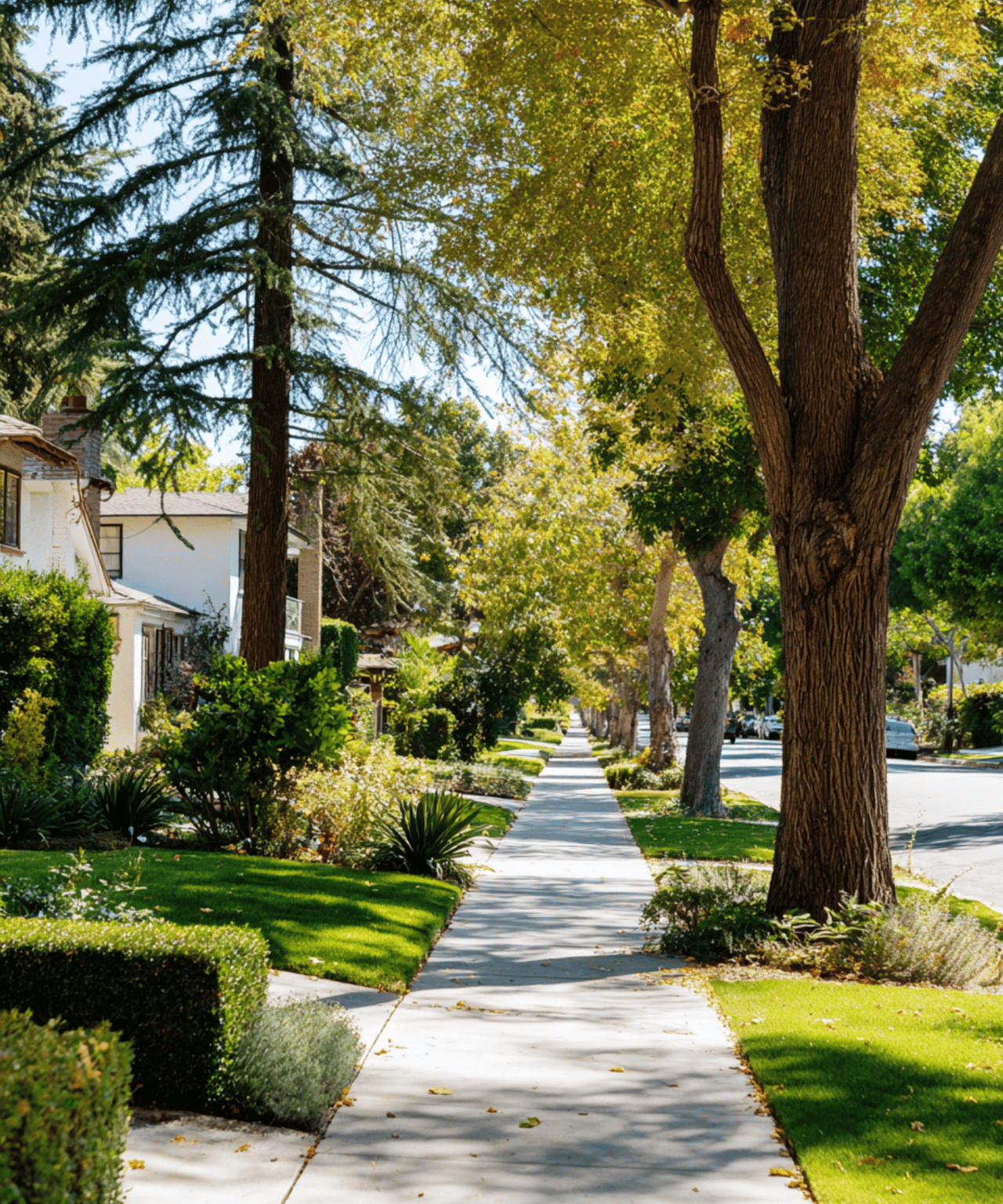
Azusa’s foothill housing is not one single neighborhood. The city describes it as a set of overlapping pockets, especially in the subdivisions north of Sierra Madre Avenue, where homes built since the 1960s sit along curving streets, cul-de-sacs, and hilltop or golf-course-adjacent settings.
That matters when you are thinking like a long-term homeowner. A home near central Azusa may give you easier daily errands and access to community facilities, while a home farther north may give you a quieter residential setting and closer access to open space.
The city’s planning documents also tie this part of Azusa closely to the San Gabriel Mountains and foothills. As you move north of Foothill Boulevard, trails, scenic roads, and open space become a more visible part of everyday life.
North Azusa foothill neighborhoods
For many long-term buyers, north Azusa is the clearest version of foothill living. These neighborhoods north of Sierra Madre Avenue are mostly older subdivisions with circuitous roads, cul-de-sacs, and streets that wrap around the golf course.
The setting is one of the biggest draws. The city notes that the northern edge overlooks the San Gabriel River and two reservoirs, while the broader area connects strongly to the foothill landscape.
This pocket tends to work well if you value a more residential feel over quick retail access. The trade-off is practical: the city notes limited retail near Sierra Madre and San Gabriel Canyon Road, so many daily errands may require a bit more planning.
What long-term owners may like here
- More established neighborhood form
- Curving streets and cul-de-sacs
- Strong access to open space and canyon-oriented recreation
- A quieter feel compared with more commercial corridors
What to think through carefully
- Fewer nearby retail and civic features
- More reliance on the Sierra Madre and canyon street network for access
- Wider differences from one street to the next because these are older, varied subdivisions
Central Azusa near Foothill Boulevard
If you want a foothill-adjacent home with better day-to-day convenience, central Azusa deserves a serious look. The city describes these neighborhoods as predominantly one- and two-story single-family homes, often with detached garages behind the houses.
This area is framed by the 210 Freeway, rail lines, Foothill Boulevard, and Cerritos Avenue. It also sits closer to community assets such as the Azusa Community Center, Memorial Park playfields, and nearby schools and downtown-serving areas.
For long-term homeowners, this location can make everyday routines easier. The city’s General Plan identifies neighborhood-serving commercial uses along Foothill Boulevard, Alosta Avenue, Citrus Avenue, Azusa Avenue south of the 210, and Gladstone Avenue, with downtown retail concentrated along Azusa Avenue between Fifth and Ninth Streets.
The main trade-off is that Foothill Boulevard is not a quiet residential edge. The city code describes it as a four-lane arterial with a more commercial character and inconsistent landscaping in places.
Best fit for this pocket
This area may be a strong match if you want:
- Easier access to errands and services
- A more connected daily routine
- Proximity to parks and city facilities
- A detached home in a more traditional central neighborhood setting
Rosedale and newer east Azusa homes
If your long-term plan leans toward newer construction, Rosedale stands out. It is the clearest newer-planned pocket in Azusa’s foothill area, and the city says the community is essentially complete, with 1,227 of 1,250 authorized homes sold and occupied.
The current city project page describes the final homes in this area as detached two-story residences near East Promenade and the APU/Citrus College station area. For buyers who want a more structured neighborhood layout and newer infrastructure, that is a meaningful difference from older foothill subdivisions.
Rosedale is also the easiest foothill pocket to describe in terms of lot pattern. The city gives a typical lot reference of 55 feet by 120 feet for remaining homes in the Great Park project area, though actual width can vary by site conditions.
This makes Rosedale useful for buyers who want more predictability in home size and parcel planning. The remaining homes are planned at roughly 2,800 to 3,200 square feet, which helps frame expectations for newer foothill-scale housing in east Azusa.
Why Rosedale appeals to long-term owners
- Newer homes and infrastructure
- Park-oriented planning
- Strong transit adjacency near the APU/Citrus College station area
- More predictable lot and home-size references than older neighborhoods
One key caution for buyers
Do not assume every newer home carries the same annual tax load. The city specifically points buyers to its Community Facilities District transparency information, so parcel-specific carrying costs are worth reviewing before you make a long-term decision.
Transit and commuting in Azusa
One of Azusa’s strongest long-term ownership advantages is transit access. The city has two Metro A Line stations: Azusa Downtown in the heart of downtown and APU/Citrus College on the eastern border near Azusa Pacific University and Citrus College.
The APU/Citrus College station includes a 200-space parking facility, along with bicycle parking and lockers. For buyers who expect their commute habits to change over time, this kind of flexibility can matter as much as the home itself.
Transit access also improved when Metro opened the A Line extension from Azusa to Pomona on September 30, 2025. Metro says the extension added nine miles of rail service, and several Foothill Transit bus lines directly serve the new stations.
For long-term homeowners, this creates a simple takeaway. If you want the easiest rail access, the downtown station area and the APU/Citrus College edge are the most practical pockets to compare first.
Parks, trails, and outdoor access
Outdoor access is a major reason buyers consider the foothill side of Azusa. The city says open-space resources are more prominent north of Foothill Boulevard, and the local trail network extends into the foothills and along the San Gabriel River.
Several public spaces stand out for long-term livability. Northside Park at 12th and Orange offers softball, soccer, picnic areas, playgrounds, disc golf, tennis, volleyball, basketball, horseshoes, and a walking path.
The Azusa Bike Trail Head at San Gabriel Canyon Road and North Ranch Road connects to the San Gabriel River Bike Trail. The San Gabriel Canyon Gateway Center at 1950 N. San Gabriel Canyon Road serves as the ranger entrance to the canyon and includes restrooms, picnic space, interpretive gardens, and a Memorial Grove.
Rosedale also scores well here. The city says its public parks, land dedications, and infrastructure have been completed and accepted except for the Great Park, which is planned north of East Promenade, along with park-facing pedestrian links for remaining homes.
How to choose the right foothill pocket
The best Azusa foothill neighborhood for you depends less on labels and more on how you want to live over the next five, ten, or fifteen years. Long-term ownership usually rewards clarity about your routines before you fall in love with a floor plan.
A simple way to think about Azusa is this: older north foothill streets tend to favor established neighborhood form and open-space access, central foothill-adjacent areas favor convenience, and Rosedale offers a middle ground with newer homes, parks, and transit access.
Here is a quick comparison:
| Strongest advantages | Main trade-offs | |
|---|---|---|
| North foothill subdivisions | Views, open space, quieter residential feel | Fewer nearby retail and civic features |
| Central foothill-adjacent homes | Everyday convenience, parks, city facilities | More commercial edges near Foothill Boulevard |
| Rosedale and newer east-side homes | Newer infrastructure, parks, transit adjacency | Parcel-specific carrying costs need review |
What long-term homeowners should prioritize
When you compare homes in Azusa’s foothill areas, focus on the factors that will still matter years from now:
- Street pattern: Cul-de-sacs and curving roads can feel very different from gridded central streets.
- Errand access: Think about how often you want to drive to shopping, services, and downtown.
- Transit flexibility: A nearby A Line station may matter more over time than it does today.
- Outdoor lifestyle: If trails, parks, and canyon access are part of your routine, north Azusa and park-oriented east-side areas deserve extra attention.
- Carrying costs: In newer planned areas, verify parcel-specific tax obligations before you commit.
A long-term home is rarely about just one feature. It is about how the home, the block, and the surrounding pocket support your life over time.
If you want help comparing Azusa foothill neighborhoods with a clear eye on value, livability, and long-term fit, James Martindale can help you evaluate the trade-offs and find the right match for your goals.
FAQs
Which Azusa foothill pocket has the most predictable lot sizes?
- Rosedale is the clearest reference point because the city provides a typical lot size of 55 feet by 120 feet for remaining homes in the project area, though site conditions can affect actual width.
Which Azusa neighborhood offers the easiest Metro access for homeowners?
- The areas near the Azusa Downtown and APU/Citrus College stations offer the most direct rail access, with the APU/Citrus College station also providing parking and bike amenities.
Which Azusa foothill area is best for outdoor access?
- The north foothill and canyon-edge areas stand out for access to Northside Park, the bike trail head, and the San Gabriel Canyon Gateway Center, while Rosedale also benefits from a park-oriented layout.
What should buyers review before purchasing in Rosedale Azusa?
- Buyers should review parcel-specific carrying costs through the city’s Community Facilities District transparency information before assuming the annual tax load will match another nearby home.
Are central Azusa homes better for everyday convenience?
- Central Azusa generally offers easier access to neighborhood-serving commercial areas, downtown retail, parks, and city facilities than the more northerly foothill subdivisions.