Wondering whether a charming older home in Claremont is a dream buy or a project in disguise? If you are drawn to original porches, handmade details, mature trees, and streets with deep local history, you are not alone. The key is knowing how to separate true long-term value from expensive surprises, and that is exactly what this guide will help you do. Let’s dive in.
Where Claremont’s Character Homes Are
If you are specifically looking for older homes in Claremont, a few areas stand out. The city identifies Historic Claremont, Old Claremont, The Village, Via Zurita, Russian Village, and South Mills Avenue as some of its oldest and most distinctive residential areas.
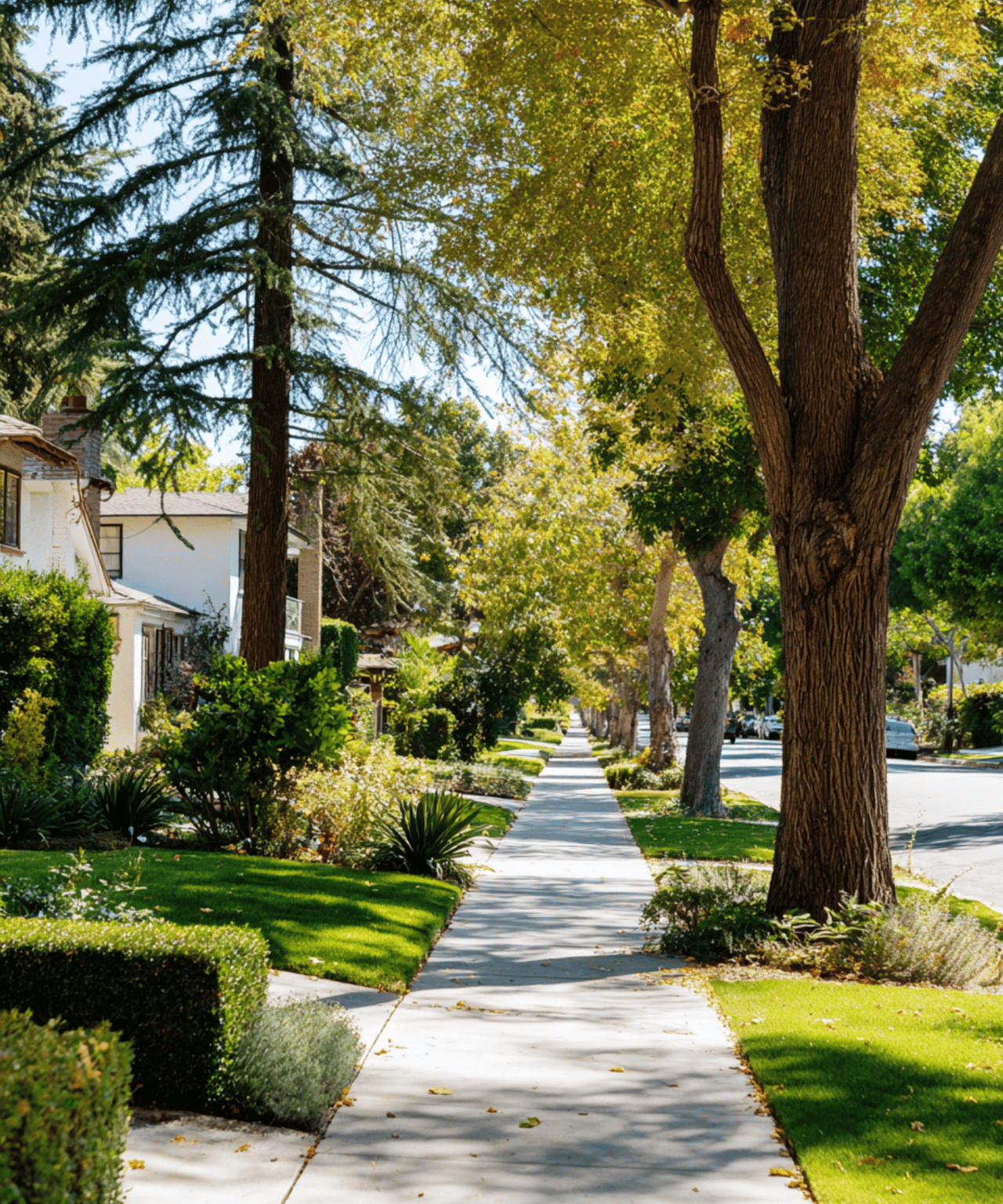
Historic Claremont is the city’s oldest neighborhood, with homes dating from the 1890s through the 1940s. It sits near Pomona College and the downtown core and is known for tree-lined sidewalks and a mix of Victorian, Craftsman, and Spanish Colonial Revival architecture.
Old Claremont reflects the city’s first major residential expansion, with most homes built from the 1920s to the 1950s. It has a compact grid layout, many structures on the city’s Historic Register, narrow sidewalks, alley-accessed garages, and a strong mix of prewar and postwar character.
The Village is best known as Claremont’s central business district, but it also includes older homes, especially north of Bonita on Harvard and Harrison Avenues. In this area, preservation and adaptive reuse matter more than they might in a newer neighborhood.
Via Zurita developed in the 1930s on former Scripps College land. You will find a blend of Spanish, modern, ranch, and Minimal Traditional homes in a low-profile neighborhood setting.
Russian Village and South Mills Avenue are especially unique. Russian Village is known for folk architecture and was listed on the National Register of Historic Places in 1979, while South Mills Avenue is recognized for distinctive stone houses built from salvaged materials.
What “Character” Really Means
In Claremont, character is not just a nice word for “old.” The city’s preservation guidance focuses on identifying, retaining, and preserving the architectural features that define a structure, while making changes that stay compatible with those historic elements.
That means when you buy a character home, you are often paying for architectural scarcity, original materials, and neighborhood context. The appeal may come from features that are difficult or costly to recreate today.
Victorian and Queen Anne homes in Claremont often include steeply pitched roofs, tower elements, front-facing gables, patterned shingles, ornate porch or eave details, and bay windows. These homes usually make a visual statement, and their value is tied closely to those details remaining intact.
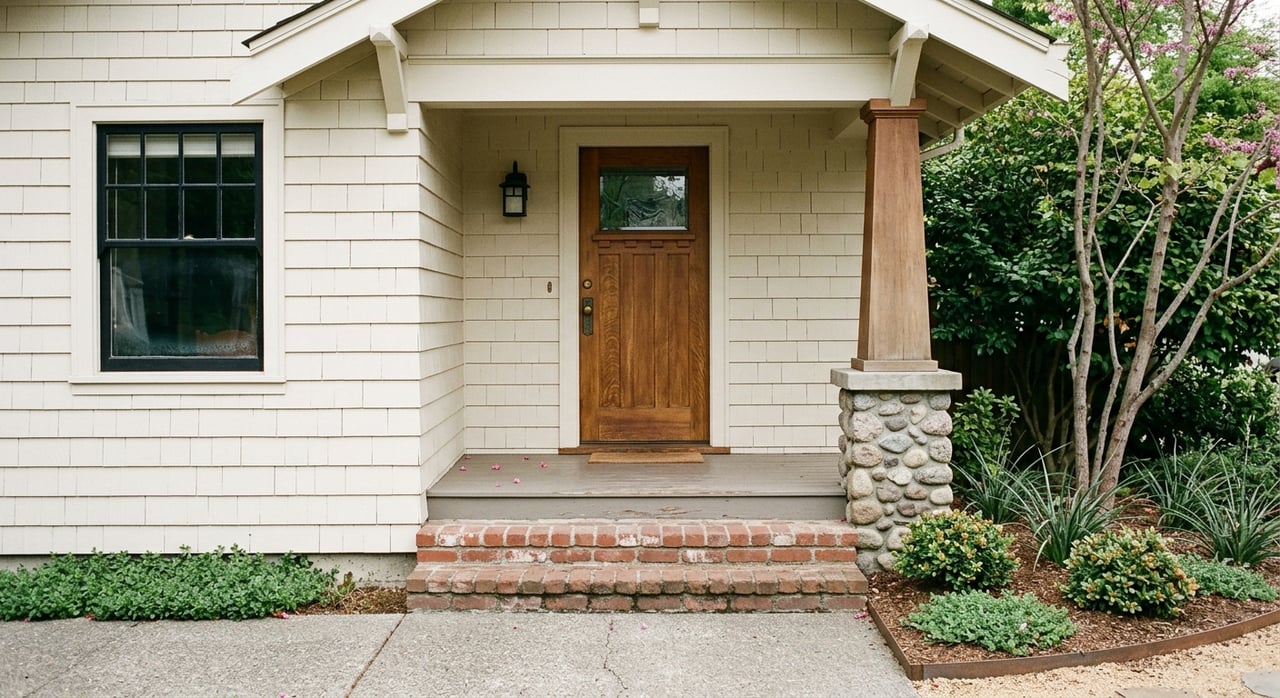
Craftsman and bungalow homes tend to emphasize handcrafted design and warm materials. You may see prominent front porches, sleeping porches, breakfast nooks, inglenooks, and wood shingle or clapboard siding in earth-toned finishes.
Colonial Revival homes are usually more symmetrical. They often feature a rectangular shape, two stories, side-gabled or hipped roofs, and a formal entry accented by details like pediments, pilasters, fanlights, or sidelights.
Mission and Spanish Colonial Revival homes commonly include clay tile roofs, arches, balconies, parapets, stucco textures, and asymmetrical forms. In Claremont, these details are often central to the home’s identity and curb appeal.
Even simpler one-story bungalows carry character through proportion and layout. Covered front porches, straightforward rectangular floor plans, and detached side or rear garages all shape how these homes feel and function.
The Three-Part Value Equation
When you evaluate an older home in Claremont, it helps to think in three parts: architectural scarcity, systems condition, and regulatory flexibility. All three affect what the home is worth to you.
Architectural scarcity is about how rare and intact the home’s style and features are. A well-preserved Craftsman or a folk-style home in Russian Village may command attention because there are only so many homes like it.
Systems condition is about what is behind the walls, under the floors, and on the roof. A beautiful home can still need major electrical, plumbing, or pest-related work, and older homes often concentrate risk in these systems rather than in cosmetic finishes.
Regulatory flexibility is about what you can change and how easily you can do it. In Claremont, that piece matters more than many buyers expect because preservation review can influence exterior modifications, additions, site features, landscaping, and more.
Inspection Issues To Watch Closely
Older homes deserve a more detailed due diligence process. In California, sellers provide a Transfer Disclosure Statement covering the property’s physical condition and known defects or hazards, and a buyer’s agent must also visually inspect for readily observable issues.
Electrical systems should be high on your list. The U.S. Consumer Product Safety Commission says home wiring wears out over time and recommends an up-to-date electrical inspection by a qualified electrician for homes that are 40 years old or more.
Aging wiring can show up in ways that seem minor at first. Warning signs include flickering lights, overfused panels, buzzing or sizzling sounds, overheating components, or permanent extension cords being used as a workaround.
Lead-based paint is another key issue in older Claremont homes, especially those built before 1978. The EPA reports that 87% of homes built before 1940 and 24% of homes built between 1960 and 1978 contain some lead-based paint.
Lead risks tend to be greatest when paint is deteriorating or when friction surfaces like windows and doors create dust. If you are buying an older home with original finishes, that is worth discussing early in your inspection process.
Plumbing can also carry hidden risk. The EPA says lead service lines were installed mainly from the late 1800s through the 1940s, and lead can also enter drinking water through fixtures, solder, and galvanized pipe, so asking about service-line materials and water testing makes sense for older properties.
Asbestos may matter most if you plan to remodel. Intact asbestos-containing materials are not always an immediate hazard, but damaged or disturbed materials can release fibers, which is why renovation plans should be part of how you assess the property.
Wood-destroying organisms remain a classic California concern. Subterranean termites are common throughout the state, and homes with prior termite issues may be vulnerable to reinfestation, which is one reason many lenders require a wood-destroying organism inspection before financing.
Do not overlook the landscape, either. Claremont’s guidance emphasizes mature heritage trees, historically complementary landscaping, and drip irrigation, so roots, irrigation systems, and ongoing maintenance near sidewalks and older foundations deserve attention.
Why Preservation Rules Matter
Not every old home is formally historic, and that distinction matters. Claremont maintains an official Register of Structures of Historical & Architectural Merit, and the city also has a demolition-delay ordinance for listed structures.
The city’s planning process can apply design review to new construction, exterior modifications, building relocations, site-feature changes, landscape review, and signs. In practical terms, that means your options may be narrower than they would be in a newer, non-designated area.
If a home is listed or otherwise subject to preservation review, changes to windows, porches, fences, rooflines, additions, and even landscape elements may need to complement the original architecture and use similar materials. That can affect both timeline and budget.
This does not mean you should avoid these homes. It means you should understand whether you are buying a home that is simply older or one that comes with added review and preservation expectations.
The Mills Act And Property Tax Savings
For some buyers, Claremont’s Mills Act program can be part of the appeal. The city says the program offers a property tax reduction for owners of qualifying historic properties who agree to preservation restrictions and use the savings to help restore, rehabilitate, and maintain the resource.
Potential savings can be significant. According to the city, Mills Act tax reductions can reach 50% to 70% in some cases.
That said, the benefit comes with obligations. A Mills Act contract includes annual reporting, periodic inspections, and a minimum 10-year term, so it should be evaluated as both a financial opportunity and a long-term stewardship commitment.
How To Negotiate An Older Claremont Home
The smartest way to approach a character property is to underwrite both the charm and the risk. In plain terms, you want to know how much of the asking price reflects true architectural value and how much should be adjusted for deferred maintenance or renovation limits.
Before you finalize your offer strategy, ask for the property’s permit history, any available wood-destroying organism information, and the disclosures that apply to lead, plumbing, and physical condition. If the home has obvious age-related concerns, get realistic cost estimates for electrical work, asbestos-related issues, or preservation-compliant repairs.
If you plan to remodel, separate cosmetic upgrades from character-defining replacements. In Claremont, that difference matters because the city’s guidance favors retaining defining features and designing additions or alterations to remain compatible with the original structure.
Natural hazard review should also be part of your due diligence. California requires sellers to provide standard disclosures for mapped earthquake fault, seismic, flood, and fire hazard areas, and parcel-level review is especially important when you are buying an older property.
A Smart Buying Approach
Character homes in Claremont can be deeply rewarding to own. They often offer craftsmanship, materials, and architectural identity that newer construction simply cannot replicate.
At the same time, the best purchases happen when you look past the surface. A great outcome usually comes from balancing style, condition, and rules before you fall in love with the details.
If you want clear guidance on how to evaluate an older home in Claremont, from neighborhood fit to inspection strategy to pricing and negotiation, James Martindale can help you approach the process with care, clarity, and commercial-grade precision.
FAQs
What areas have the oldest character homes in Claremont?
- Claremont’s older and more distinctive home areas include Historic Claremont, Old Claremont, The Village, Via Zurita, Russian Village, and South Mills Avenue.
What architectural styles are common in older Claremont homes?
- Common styles include Victorian, Queen Anne, Craftsman, bungalow, Colonial Revival, Mission, and Spanish Colonial Revival, along with folk architecture in places like Russian Village and South Mills Avenue.
What should you inspect first when buying an older Claremont home?
- Electrical systems, lead-based paint risks, older plumbing materials, asbestos concerns during remodeling, wood-destroying organisms, and site issues like tree roots and irrigation should all be reviewed carefully.
What does historic preservation review mean for a Claremont homebuyer?
- Preservation review can affect what you are allowed to change on the exterior, including windows, porches, rooflines, additions, fences, landscape features, and other visible site elements.
What is the Mills Act for historic homes in Claremont?
- The Mills Act is a city program that can reduce property taxes for qualifying historic properties in exchange for preservation commitments, annual reporting, inspections, and a contract term of at least 10 years.
How should you negotiate on a Claremont character home?
- A strong approach is to weigh the home’s architectural value against system condition and regulatory limits, then review permit history, disclosures, pest information, and likely repair costs before finalizing price and terms.