You want a foothill address without stretching beyond your first-home budget. Azusa gives you a real shot at that goal, especially if you focus on the neighborhoods near the San Gabriel foothills. In this guide, you’ll see current prices, what “starter” homes look like, how Azusa compares to nearby cities, and practical financing options you can use. You’ll also get a simple plan to move from browsing to buying. Let’s dive in.
Azusa market at a glance
Azusa’s median sale price was about $670,000 in Feb 2026, based on closed sales data from Redfin’s Azusa market page. Zillow’s Feb 28, 2026 snapshot shows a “typical home value” near $710,619 and a median list price near $654,983, which is useful context on asking prices. Redfin also shows an average around $486 per square foot and median days on market in the high 40s to low 60s for that period. Different platforms use different methods and timelines, so always note the date and verify numbers close to when you plan to write an offer.
Why that matters for you: these figures suggest realistic starter options in Azusa often fall in the $550,000 to $750,000 range as of Feb 2026. Redfin’s recent activity also shows smaller 3 bed, 1 bath homes around 1,000 square feet trading in the $650,000–$700,000 band, which is a useful benchmark for planning.
Why choose Azusa’s foothills
Azusa is widely seen as an on-ramp to foothill homeownership because it is more affordable than several neighboring foothill cities. For example, Feb 2026 medians were about $870,000 in Glendora and $1,185,000 in Monrovia, according to Redfin’s Glendora and Redfin’s Monrovia pages. That affordability gap is a key reason first-time buyers look to Azusa when they want the foothill lifestyle without the steeper price tag.
You’ll find many post-war single-story homes from the 1940s–1960s across Azusa, including foothill-adjacent blocks. These are often 2–3 bedrooms with 1–2 baths in the 900–1,300 square foot range. Some buyers also consider townhomes or condos for lower maintenance living and a smaller cash-to-close, though HOA fees should be factored into your monthly budget.
What “starter home” means in Azusa
- Small single-family homes: About 900–1,300 square feet with 2–3 bedrooms and one or one-and-a-half baths. Many are classic ranch or bungalow plans that reflect Azusa’s mid-20th-century growth.
- Townhomes and condos: Often 2–3 bedrooms and 1,000–1,600 square feet. Monthly HOA dues apply, which can change the math compared to a smaller single-family home with no HOA.
- Price expectations: Most first-time buyers in Feb 2026 targeted the $550,000–$750,000 band. Redfin’s recent sales support that range for smaller homes, with some 3 bed, 1 bath examples around $650,000–$700,000.
If you want a foothill address specifically, focus on blocks north of Foothill Blvd and areas that step up toward the mountains. The City’s Housing Element outlines Azusa’s geography at the base of the San Gabriel Mountains and notes hillside considerations for lots near the northern edge of town. You can review city planning context in the City of Azusa Housing Element materials.
Foothill neighborhoods explained
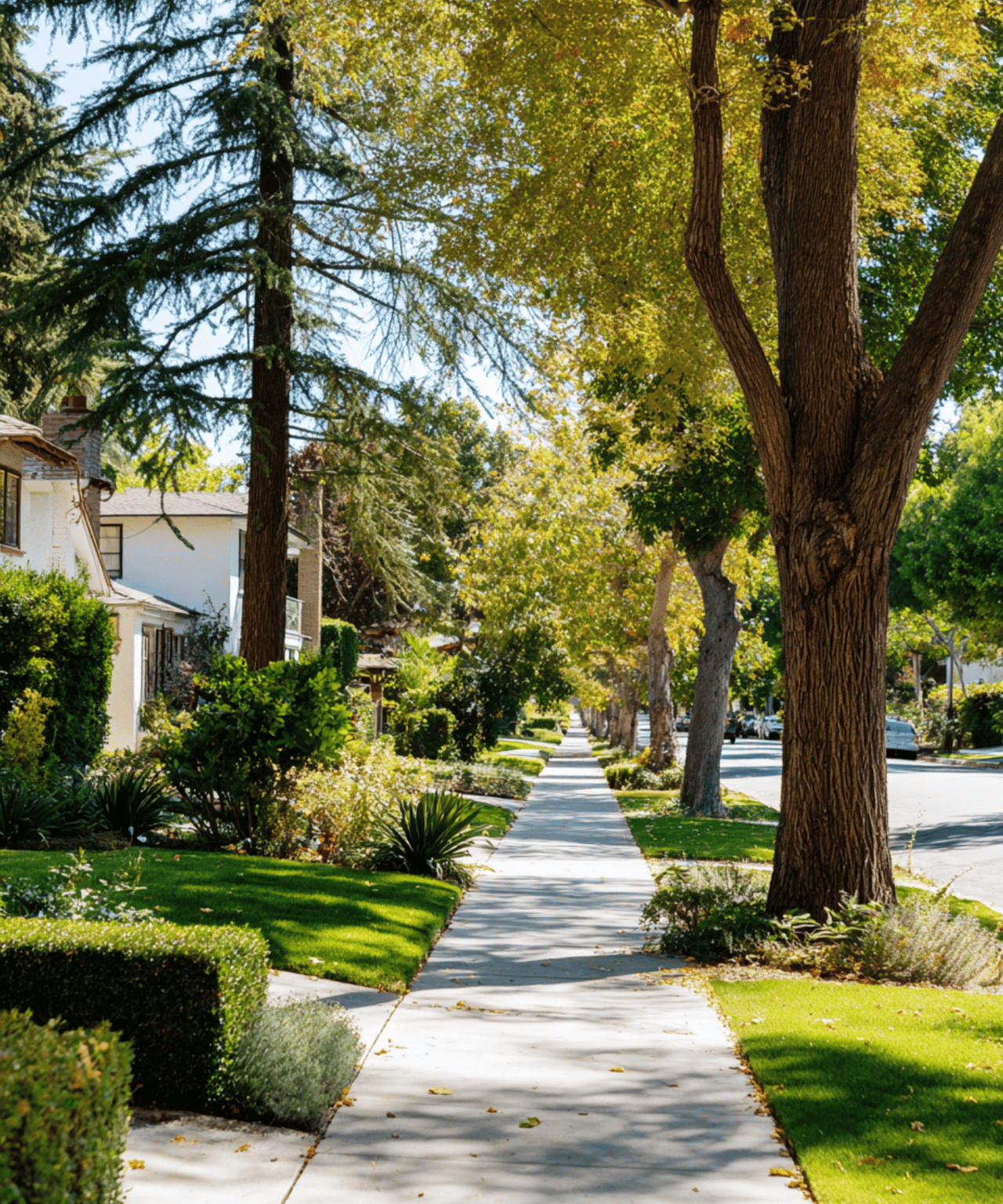
When locals say “foothill neighborhoods,” they usually mean the residential areas north of Foothill Blvd and the streets that climb toward the San Gabriel foothills. These locations can include hillside lots and unique topography. As you evaluate homes, consider:
- Lot slope and driveway access. Sloped parcels can affect parking, retaining walls, and future improvements.
- Fire and brush considerations. Confirm insurance quotes early and review any defensible space requirements.
- Permit and upgrade history. Many post-war homes have had electrical, plumbing, or roof updates over time. Ask for permit records during due diligence.
- City planning context. The City’s Housing Element offers helpful background on hillside regulations and landscape constraints. See the Housing Element documentation for geographic and planning references.
Condos vs single-family in Azusa
If you are balancing monthly costs with lifestyle, here is a quick way to compare:
- Condos and townhomes
- Pros: Lower entry price in some cases, exterior maintenance handled by the HOA, community amenities in certain complexes.
- Consider: Monthly HOA dues, HOA rules for renovations and rentals, possible special assessments.
- Single-family homes
- Pros: Private yard, more control over improvements, often simpler resale paths for buyers who want space.
- Consider: Higher upfront price in many cases, full responsibility for roof, yard, and systems.
Your decision often comes down to monthly budget and how you value private outdoor space versus managed maintenance. Listings data on platforms like Zillow can help you compare HOA dues and square footage apples to apples.
What you can afford in 2026
Start with Azusa’s Feb 2026 median sale price of $670,000 from Redfin’s Azusa page, then shape it to your down payment and loan type.
- FHA example: Minimum 3.5% down for qualified borrowers. On a $670,000 purchase, 3.5% down is $23,450 plus closing costs and prepaid items. FHA loans require mortgage insurance and the property must meet FHA standards. See program basics via HUD’s FHA overview.
- Conventional first-time example: Some programs allow 3% down for eligible buyers. On $670,000, 3% down is $20,100 plus closing costs and prepaid items. Explore Fannie Mae’s HomeReady program for details.
To estimate your monthly payment, include principal and interest, property taxes, homeowners insurance, and any HOA dues. As a quick rule of thumb, California property taxes typically start near 1% of the purchase price per year, plus local assessments that vary by parcel. Always request current interest rate quotes from your lender and ask for a full monthly estimate at your target price point. Figures and program availability are as of Feb 2026, so confirm the latest numbers before you write an offer.
Financing that fits Azusa prices
Most Azusa starter-home purchases fall well under Los Angeles County’s 2026 conforming loan limit ceiling of $1,249,125, which keeps many buyers in conventional loan territory. Review the latest figures in the FHFA’s 2026 loan limits update. From there, compare:
- FHA loans: Lower down payment thresholds for qualified borrowers, standard mortgage insurance requirements, and property condition standards. Learn more at HUD’s FHA resource page.
- Conventional first-time products: Potentially lower long-term costs for eligible buyers at 3% down through programs like Fannie Mae HomeReady. Your lender can run side-by-side comparisons that include mortgage insurance and interest rate differences.
If you need help with the down payment or closing costs, look at:
- State assistance: CalHFA’s MyHome Assistance Program offers a deferred junior loan to help with down payment or closing costs. Terms and limits vary, and programs may be layered with a CalHFA first mortgage. Start with CalHFA’s MyHome program overview.
- County assistance: The Los Angeles County Development Authority (LACDA) operates several first-time buyer programs that provide deferred, low-interest, or shared-appreciation second mortgages for eligible buyers. The county also offers a Mortgage Credit Certificate that can convert a portion of annual mortgage interest into a federal tax credit. See current offerings through the LACDA program directory. Eligibility is income, price, and location specific, and some programs require homebuyer education.
Tip: Set a target price, then ask your lender for two monthly payment estimates at different interest rates to understand sensitivity. That way you are ready to move if rates change while you shop.
Taxes, insurance, and true monthly cost
Beyond principal and interest, build a full monthly budget that includes:
- Property taxes: California’s base rate is typically about 1% of assessed value, plus parcel-specific assessments that vary by neighborhood and special district. Your escrow, title report, or the county assessor can provide the exact numbers for a given property.
- Homeowners insurance: Quotes depend on home features and location. If you are near hillside areas, get quotes early and confirm any brush or wildfire considerations with your insurer.
- HOA dues: For condos and some townhomes, ask for the latest monthly dues and review any pending special assessments, reserve funding, and HOA rules.
A complete picture of these costs will shape the right offer price and help you compare condo versus single-family options more accurately.
From browsing to writing offers
Use this simple checklist to shift from casual searching to confident action:
- Get pre-approved for a specific loan program so you know your clear budget range.
- Define your must-have location and price ceiling. Decide if your priority is a foothill-adjacent block or a larger home farther south.
- Build an offer-ready budget that includes taxes, insurance, and any HOA dues. Include a repair reserve, since many post-war homes need electrical, plumbing, or roof updates.
- Track recent sales in the $550,000–$750,000 band to stay realistic on price and days on market. Check Redfin’s Azusa market page for closed-sale context.
- If you need assistance funds, confirm eligibility and start required homebuyer counseling early for programs like CalHFA or LACDA. See the CalHFA MyHome overview and the LACDA program directory.
- Tour with purpose. Evaluate slope, parking, yard usability, and recent upgrades. For foothill homes, review hillside and landscape considerations in the City’s Housing Element materials.
- Write clean, complete offers. Align your contingencies and timelines with what you learned from recent comps and your lender’s underwriting needs.
How we help first-time foothill buyers
You deserve advice that is both neighborly and precise. The Martindale Group pairs commercial-grade analysis with boutique service to help you price accurately, negotiate with confidence, and navigate programs like CalHFA or LACDA. Our team is locally rooted in the San Gabriel foothill corridor, and we bring calm, data-informed guidance to each step.
If you are ready to clarify your budget, compare neighborhoods, and map a smart offer plan in Azusa’s foothill areas, let’s talk. Schedule a free consultation with James Martindale to get a custom plan for your first home.
FAQs
What counts as a starter home in Azusa’s foothills?
- Typically a 2–3 bed, 1–2 bath home of about 900–1,300 square feet from the post-war era, with Feb 2026 starter prices often in the $550,000–$750,000 range based on Redfin’s Azusa data.
How do Azusa prices compare to nearby foothill cities?
- As of Feb 2026, Azusa’s median sale price was about $670,000 while Glendora was around $870,000 and Monrovia near $1,185,000, according to their respective Redfin market pages.
Which first-time buyer loans work well in Azusa?
- Many buyers use FHA at 3.5% down or conventional first-time programs like Fannie Mae HomeReady at 3% down, with most Azusa purchases well under LA County’s 2026 conforming loan limit ceiling.
Where exactly are Azusa’s foothill neighborhoods?
- Generally north of Foothill Blvd and up toward the San Gabriel foothills; review hillside and topography context in the City’s Housing Element for planning considerations and constraints.
How should I budget beyond the mortgage payment?
- Include property taxes near 1% of assessed value plus parcel assessments, homeowners insurance, and any HOA dues for condos or townhomes to get your true monthly number.
Can I use down payment assistance in Azusa?
- Yes, programs like CalHFA’s MyHome and LACDA’s first-time buyer options may help with down payment or closing costs if you meet income, price, and location criteria and complete required steps.