Looking for a home with more than a floor plan and a finish list? In Claremont, some of the most memorable properties come with deep roots, distinctive architecture, and streets that feel shaped by time as much as design. If you are drawn to older homes, walkable surroundings, and neighborhoods with a strong sense of identity, Claremont offers a lot to explore. Let’s dive in.
Why Claremont Stands Out
Claremont’s housing story is closely tied to its historic downtown, the Claremont Colleges, and a long-standing focus on preservation. The city describes its historic central core as one of the last true downtowns in the region, and its design guidance is organized around 30 unique neighborhoods.
That matters if you are buying or selling a character home. In Claremont, charm is not limited to one block or one architectural style. It is part of a broader neighborhood pattern that includes older homes, mature trees, walkable streets, and a visible commitment to maintaining local character.
Historic Neighborhoods in Claremont
Historic Claremont
Historic Claremont is the city’s oldest residential district. According to the city, it includes homes from the 1890s through the 1940s and sits next to Pomona College, Memorial Park, and the Village.
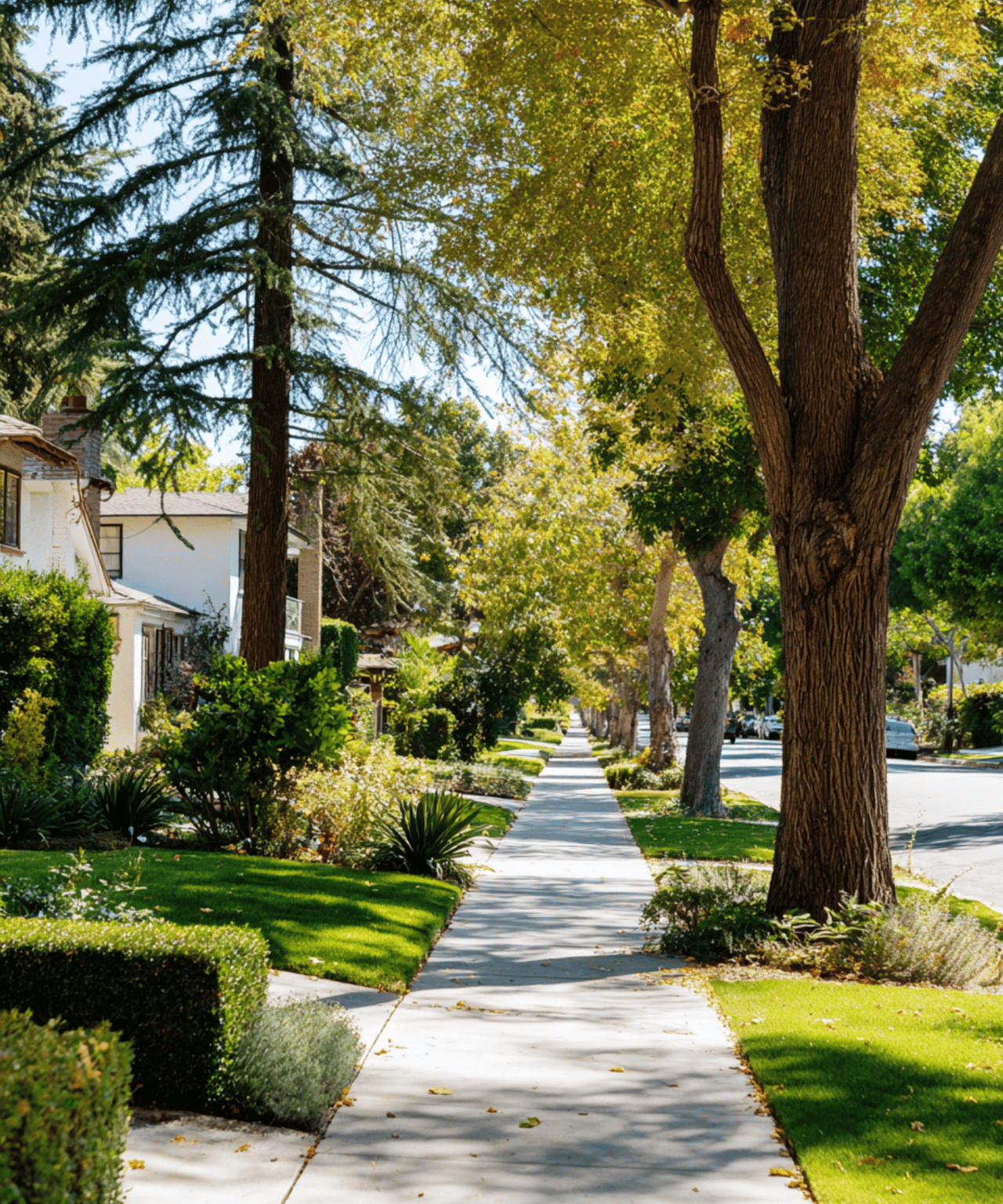
You will also find a strong pedestrian feel here, shaped by tree-lined sidewalks and a mix of home sizes. For buyers, that can mean a more layered and interesting streetscape. For sellers, it helps explain why location within this part of Claremont often carries lasting appeal.
Old Claremont
Old Claremont represents the city’s first major residential expansion after Historic Claremont. The city says most of it was built between the 1920s and 1950s, and many properties in the area are listed on the local historic register.
This neighborhood is also known for features like alley-access garages and, on many blocks, narrower sidewalks. Within Old Claremont, University Circle stands out as a smaller-lot area built between 1938 and 1951 with a shared architectural language that gives the area a cohesive feel.
Russian Village
Russian Village is one of Claremont’s most distinctive historic areas. Established in 1923 and listed on the National Register in 1979, it is known for folk architecture and fieldstone details.
The city’s preservation guidance notes that the narrow street, stone curbs, and elm canopy are all part of the historic design. If you are considering a home here, the setting is as important as the structure itself.
Arbol Verde
Arbol Verde reflects an important part of Claremont’s local history, including Mexican American landownership. The area includes simple bungalows and the Intercultural Council Houses.
For buyers and sellers alike, this neighborhood shows that Claremont’s character is not defined by one look alone. Its identity comes from the variety of stories and home types that make up the city’s residential fabric.
Pilgrim Place
Founded in 1924, Pilgrim Place is a low-scale residential campus of cottages and attached units near the Village and the colleges. Its layout and building style create a different kind of character than you might see in a traditional single-family neighborhood.
It is a good reminder that historic appeal in Claremont can come from planning and setting as much as architecture. In some areas, the rhythm of buildings, pathways, and landscaping is part of what gives the neighborhood its lasting appeal.
Character Homes and Architectural Styles
Claremont Heritage describes the city’s homes as a layered mix of Queen Anne Victorian, Spanish Colonial Revival, New England Colonial Revival, Craftsman bungalows, International Style, and postwar ranch homes. That range gives buyers a lot to consider beyond square footage alone.
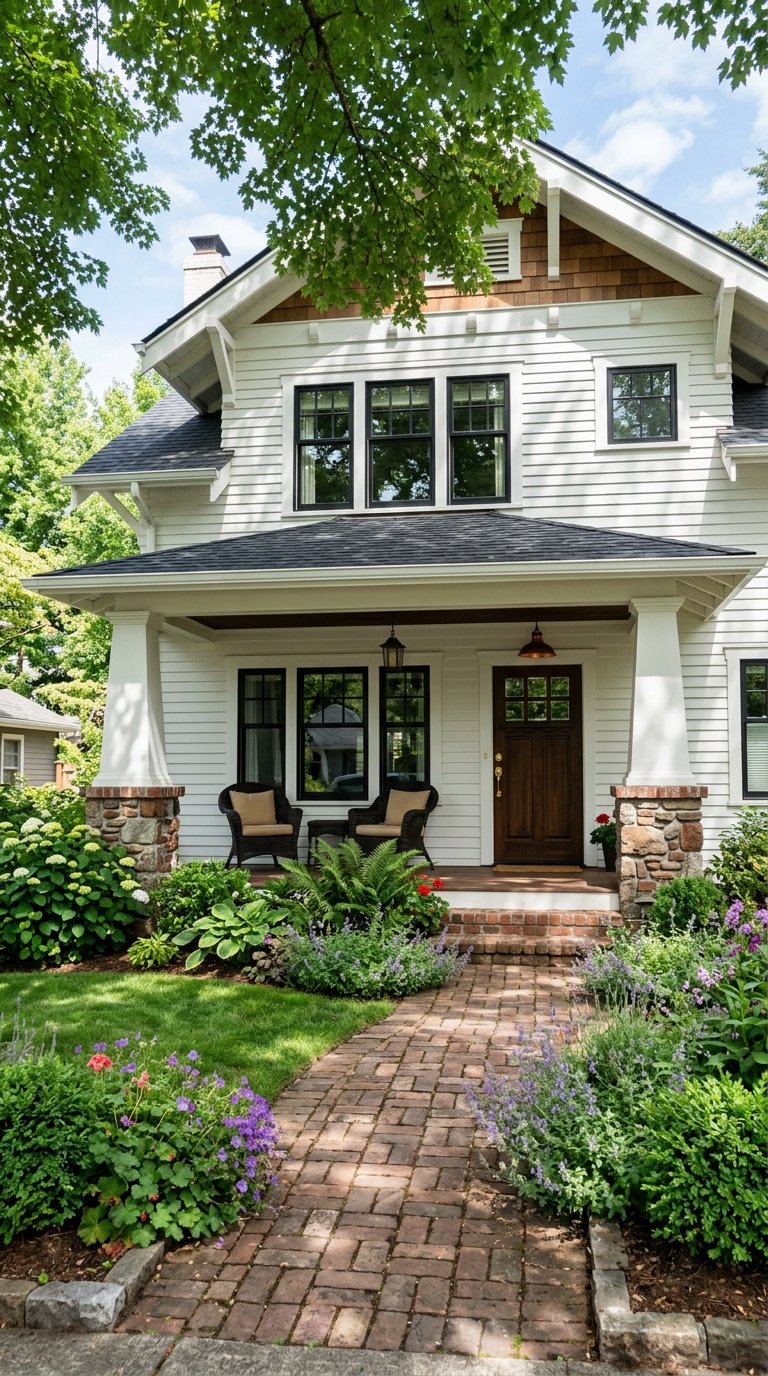
If you are comparing homes in Claremont, architectural details can tell you a lot about a property’s era and personality. You may notice broad porches, exposed rafters, stucco walls, red tile roofs, arched openings, wood or wrought-iron grilles, and rock or fieldstone elements.
These details are part of what makes a character home feel special. They can also affect how you approach updates, maintenance, and future improvements.
Trees Shape the Streetscape
In Claremont, trees are not just a backdrop. The city says it has 23,000 trees, including historic American elms on Indian Hill Boulevard and Manna Gum eucalyptus on College Avenue.
The city also reviews landscape plans for new development and major changes to help maintain its landscape character. That tells you something important about Claremont homeownership. The overall feel of a street often comes from the relationship between the house, the lot, and the mature landscape around it.
For buyers, this can be a major part of daily livability and visual appeal. For sellers, it helps explain why exterior presentation and landscape compatibility matter in character-driven neighborhoods.
The Village Adds Everyday Appeal
One reason Claremont’s historic neighborhoods remain so attractive is their connection to the Village. The city emphasizes the downtown’s mature trees, rock curbs, and pedestrian pattern, while the Claremont Colleges describe it as a strollable center with tree-lined streets and sidewalk café tables.
That walkable setting supports the lifestyle side of the market. You are not only buying a house. You are also buying into a setting where historic neighborhoods connect with local shops, public spaces, and a recognizable downtown core.
The Colleges and Cultural Life
The Claremont Colleges are a major part of the city’s identity and influence the surrounding neighborhoods. The consortium includes seven institutions with more than 8,000 students and 3,400 faculty and staff, and it highlights local events such as street festivals, concerts in the park, movie nights, and a weekly farmers market.
Cultural anchors also reinforce the appeal of central Claremont. Near the historic neighborhoods, you will find the Claremont Lewis Museum of Art in the Historic Claremont Depot, monthly Art Walks in the Village, and the annual Village Venture arts-and-crafts festival.
For buyers, these details help paint a fuller picture of day-to-day life. For sellers, they help frame the value of place in a way that goes beyond the home itself.
What Buyers Should Know
If you are shopping for a historic or character home in Claremont, it helps to look at the property and the surrounding context together. In many cases, the appeal comes from the way the house fits its street, landscape, and neighborhood pattern.
You should also expect older-home ownership to involve more thoughtful planning. Based on the city’s design guidelines and preservation framework, exterior changes, landscaping, and additions may call for closer attention to compatibility with the home and neighborhood character.
Claremont also maintains a local Register of Structures of Historical & Architectural Merit. The city established its historic inventory in 1977, adopted the Register in 1980, and added a demolition-delay ordinance for listed structures in 1984.
If a property is listed or may qualify as a cultural resource, proposed alterations, relocations, or demolitions can fall under the city’s preservation review process. That does not mean you should avoid these homes. It means you should understand the planning context before you buy.
What Sellers Should Know
If you own a character home in Claremont, your property may benefit from more than visual appeal. The city’s preservation framework, neighborhood design guidance, and local advocacy all support the value of historic identity.
That can shape how your home is positioned in the market. Buyers looking in Claremont are often responding to authenticity, walkability, mature landscaping, and architectural detail as much as bedroom count.
A strong listing strategy should reflect that. Accurate pricing, a thoughtful property narrative, and clear communication about architectural features and neighborhood context can help buyers understand what makes your home stand out.
The Mills Act and Tax Relief
For some owners, the Mills Act may be worth exploring. The California Office of Historic Preservation says eligible owners may qualify for property tax relief if they agree to rehabilitate and maintain a historic property for at least 10 years.
Claremont’s city page notes that the potential tax savings can be significant and that the city has processed a limited number of Mills Act applications since 2001. Because eligibility and obligations matter, this is an area where careful local review is important when you are evaluating a historic property.
Why Local Guidance Matters
Character homes often require a different level of analysis than newer construction. You may be weighing condition, architectural integrity, neighborhood context, preservation considerations, and resale positioning all at once.
That is where informed representation makes a difference. Whether you are buying or selling, the goal is not just to admire Claremont’s historic charm. It is to make a smart move within a market where details, context, and long-term neighborhood identity all matter.
If you are thinking about buying or selling a character home in Claremont, James Martindale can help you evaluate the opportunity with clear advice, thoughtful strategy, and a neighborhood-first approach. Schedule a free consultation.
FAQs
What makes Historic Claremont different from Old Claremont?
- Historic Claremont is the city’s oldest residential district, with homes from the 1890s through the 1940s near the Village, while Old Claremont was the first major expansion and was built mainly between the 1920s and 1950s.
What architectural styles can you find in Claremont character homes?
- Claremont includes Queen Anne Victorian, Spanish Colonial Revival, New England Colonial Revival, Craftsman bungalows, International Style, and postwar ranch homes.
What should buyers know before purchasing a historic home in Claremont?
- Buyers should review the property’s age, condition, architectural details, and whether it is listed or may qualify under the city’s preservation framework, since exterior changes or demolition can involve additional review.
What is the Mills Act for Claremont historic homes?
- The Mills Act is a California program that may offer property tax relief to eligible historic-property owners who agree to maintain and rehabilitate the property’s historic character for at least 10 years.
Why do trees matter in Claremont neighborhoods?
- Trees are a major part of Claremont’s identity, and the city treats mature landscaping, street trees, and compatible plantings as part of the overall character of its neighborhoods.
Why do Claremont’s historic neighborhoods appeal to buyers?
- Many buyers are drawn to the combination of preserved streetscapes, architectural variety, a walkable Village, college-town energy, and a visible local arts and cultural calendar.