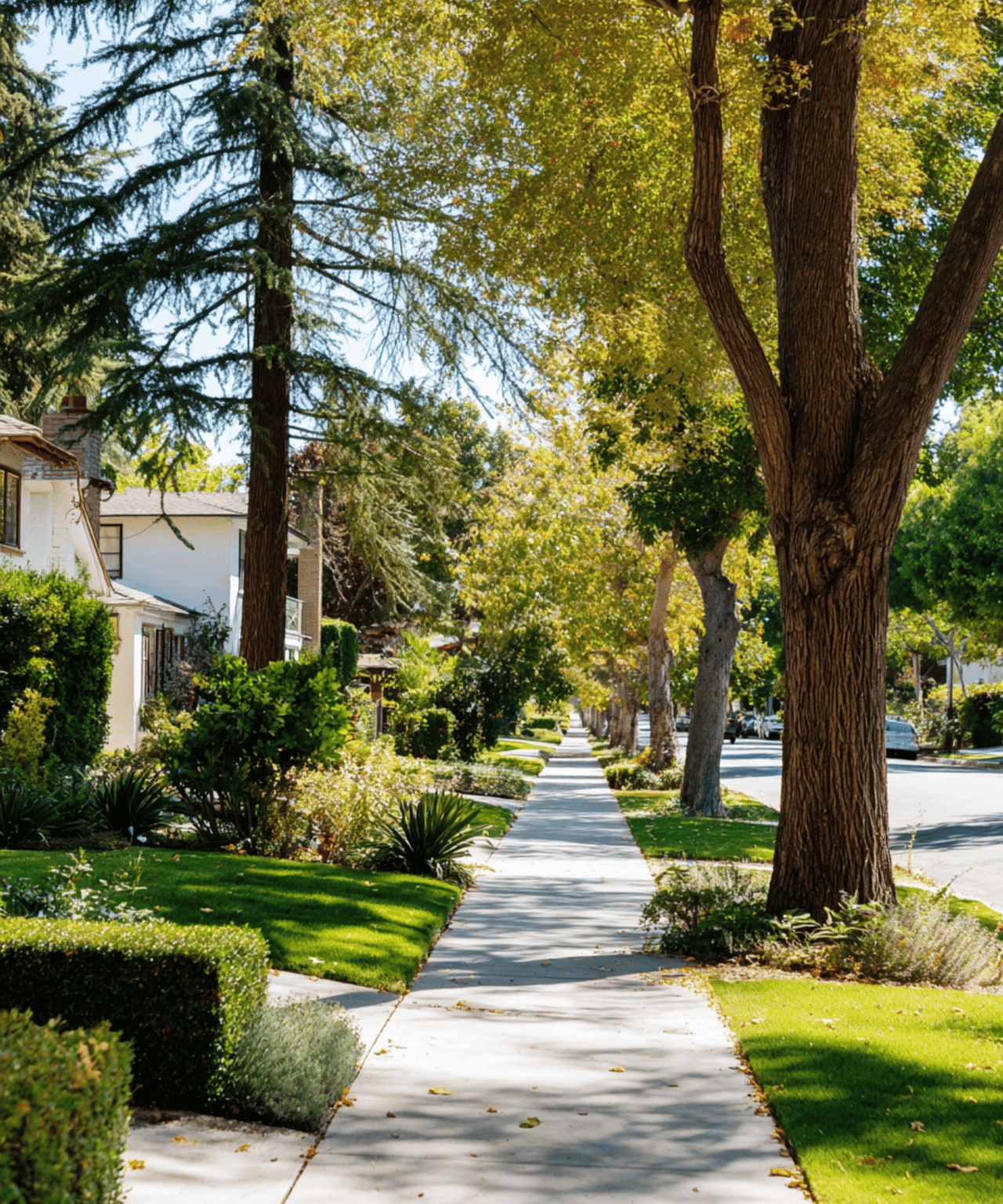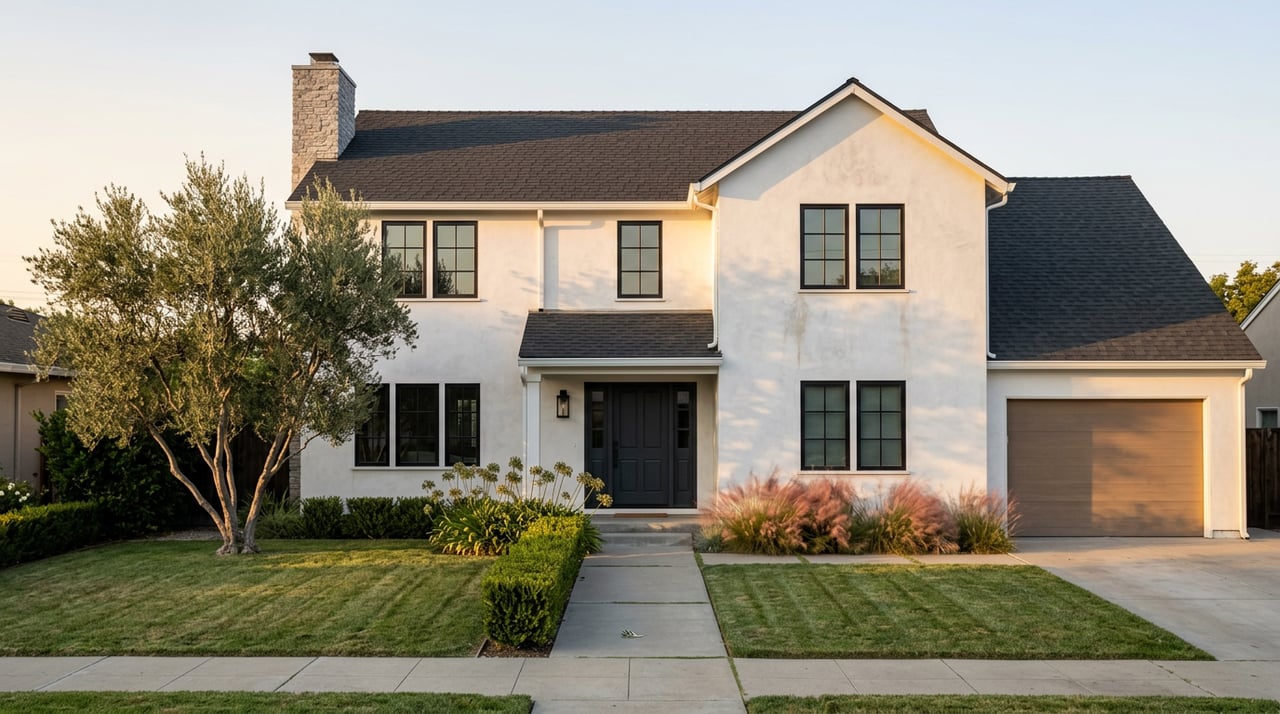
Pull up two homes in Azusa on the same afternoon: one on a quiet street in the older grid near downtown, no HOA fee listed anywhere in the paperwork, and one in Rosedale, the master-planned community tucked against the San Gabriel foothills. The Rosedale home will likely cost more, sometimes by a wide margin. The price gap reflects more than square footage, age, and the resort-style clubhouse. Rosedale buyers may also pay annual special taxes and HOA dues after closing.
What the Median Actually Compares
In the first quarter of 2026, the median home sale price across Azusa came in around $658,000, based on 52 recorded transactions, according to PropertyShark's market trends data. Rosedale's own sales over roughly the same period have clustered closer to $925,000 to $960,000. On paper, that puts the Rosedale premium somewhere between $270,000 and $300,000.
That gap is real, but it is not the full comparison. A citywide median blends decades-old bungalows near Route 66 with newer construction in the foothills, so it undercounts what a comparable older Azusa home costs against a comparable Rosedale home. More importantly, it only measures the purchase price. It says nothing about what a buyer keeps paying after the keys change hands, and that ongoing bill is where Rosedale and the rest of Azusa genuinely part ways.
The Tax That Was Supposed to Be Aging Out
Rosedale exists because the City of Azusa formed Community Facilities District No. 2005-1 in June 2006, authorizing up to $110 million in tax-exempt bonds to build the roads, sewers, parks, and school facilities the community needed before a single house could be sold. The City of Azusa's Rosedale homeowner guide says the city issued roughly $71.1 million of that for the first phase, with another $30 million set aside to finish the second improvement area.
A neighborhood that started collecting special taxes in 2006 should, twenty years later, be closer to paying off that debt than starting over. Rosedale isn't. In 2019, the city refinanced the bonds tied to the second improvement area, issuing roughly $19.8 million in new special tax bonds with a final maturity in 2049. For homes financed under that phase, the special tax that funds it doesn't retire on the neighborhood's original timeline. It retires on the refinanced one, more than two decades from now.
The city's own Rosedale homeowner guide spells out why this matters for a buyer today: Special Tax A runs concurrent with the maturity of the bonds it repays, so its end date moves whenever the bonds get refinanced.
Special Tax B is a continuous tax that will not expire as long as those specific services are being provided.
That's not a typo or an edge case. It's the structure. One tax has a horizon, even if that horizon just moved further out. The other one, by design, doesn't have one at all.
Two HOAs Before You Even Get to the Tax Bill
Rosedale layers its own governance on top of the special tax. Most homes in the community sit under two separate homeowners associations at once: a master HOA that oversees The Resort clubhouse, the Promenade walking path, major parks, and community-wide standards, and a second, neighborhood-specific association that handles the smaller stuff on your own street. The North Rosedale Community Association, one of several sub-associations within Rosedale, covers 691 units built starting in 2007 and is professionally managed.
Put the pieces together and a Rosedale buyer's annual carrying cost stack looks like this, on top of the mortgage:
- HOA dues: roughly $300 to $400 a month for a single-family home, $400 to $500 for a townhome or condo, covering both the master and neighborhood associations
- Special Tax A: varying by lot size and improvement area, and not scheduled to disappear until its bonds mature
- Special Tax B: no scheduled end date
An older Azusa home, the kind built before the city ever formed a Community Facilities District, carries none of the above. No HOA line item, no CFD assessment, no second homeowners association billing separately from the county tax bill.
Running the Decade Math
Adding the listed ranges, a Rosedale household's annual costs are roughly $8,000 to $13,600 or more that a comparable older Azusa home simply does not owe. Across a ten-year hold, that adds roughly $80,000 to $136,000 or more in payments that build no equity and reduce no principal.
That number matters because of where it lands relative to the headline gap. The purchase-price premium between Rosedale and the Azusa median is about $270,000 to $300,000. HOA dues and special taxes add ongoing costs during ownership. Buyers can compare those costs alongside purchase prices when assessing the overall expense.
The Fee at the Other End
There's a bookend to this, too. Rosedale's governing covenants include a resale contribution when the home changes hands again. Older Azusa neighborhoods, again, have no equivalent line item at resale.
None of this makes Rosedale a bad buy. The Resort's pool and fitness center, the Promenade, the trail access into North Azusa's canyon terrain, and the newer construction are real amenities that the special tax and HOA structure directly paid to build. The point isn't that the neighborhood costs too much. It's that the sticker price is not the full cost of Rosedale, and a buyer who only compares list prices may miss the ongoing costs.
Before You Write the Offer
If you're weighing a Rosedale home against something older in Azusa, ask for three documents before you get attached to either one:
- The Notice of Special Tax for the specific parcel, which will show which improvement area it falls under and the current Special Tax A and B amounts
- Both HOA budgets and reserve statements, since Rosedale properties typically answer to a master association and a neighborhood-specific one
- The CC&Rs covering resale contributions, so you can review the terms before selling
Common Questions
Does the Rosedale special tax ever go away? Special Tax A retires when its bonds mature, and that date depends on which improvement area a home falls under and whether those bonds have been refinanced. Special Tax B, tied to ongoing services rather than bond repayment, does not have a scheduled expiration.
Is having two HOAs unusual? It's common in larger master-planned communities, where a master association manages shared amenities like a clubhouse or entry features and a smaller sub-association handles a single tract's landscaping and rules.
Is there a resale contribution? Rosedale's governing covenants include a resale contribution when a home changes hands; review the CC&Rs for its terms.
If you're comparing a Rosedale home against something in an older part of Azusa and want the real numbers run side by side, The Martindale Group can pull the specific Notice of Special Tax and HOA documents for any address you're considering. Schedule a free consultation and we'll walk through what the full carrying cost actually looks like before you write an offer.
This article is general information, not legal, tax or financial advice. Consult a qualified professional about your situation.