You want to buy in San Dimas because the foothill lifestyle, transit access, and neighborhood feel check a lot of boxes. The challenge is standing out in a tight market where many homes still draw strong interest. In this guide, you’ll learn what homes cost right now, how fast things move, and the strategies that help you win without taking on unnecessary risk. Let’s dive in.
Current prices at a glance
Recent public market snapshots place typical San Dimas home values in the high six to low seven figures. Citywide medians land in a band around 895,000 to 1,000,000, depending on the source and time window. Price per square foot commonly sits in the mid 500s, though it varies a lot by neighborhood, condition, and lot size. Use neighborhood-level comps rather than citywide medians when you write an offer.
Speed and competition metrics point to a seller-leaning market in the most popular price bands. Many recent sales closed near or slightly above list price, and median days on market often sits in the two-month range. Monthly numbers can swing when only a handful of homes close, so lean on 3 to 12 month views for a steadier read.
What your budget buys
Single-family homes
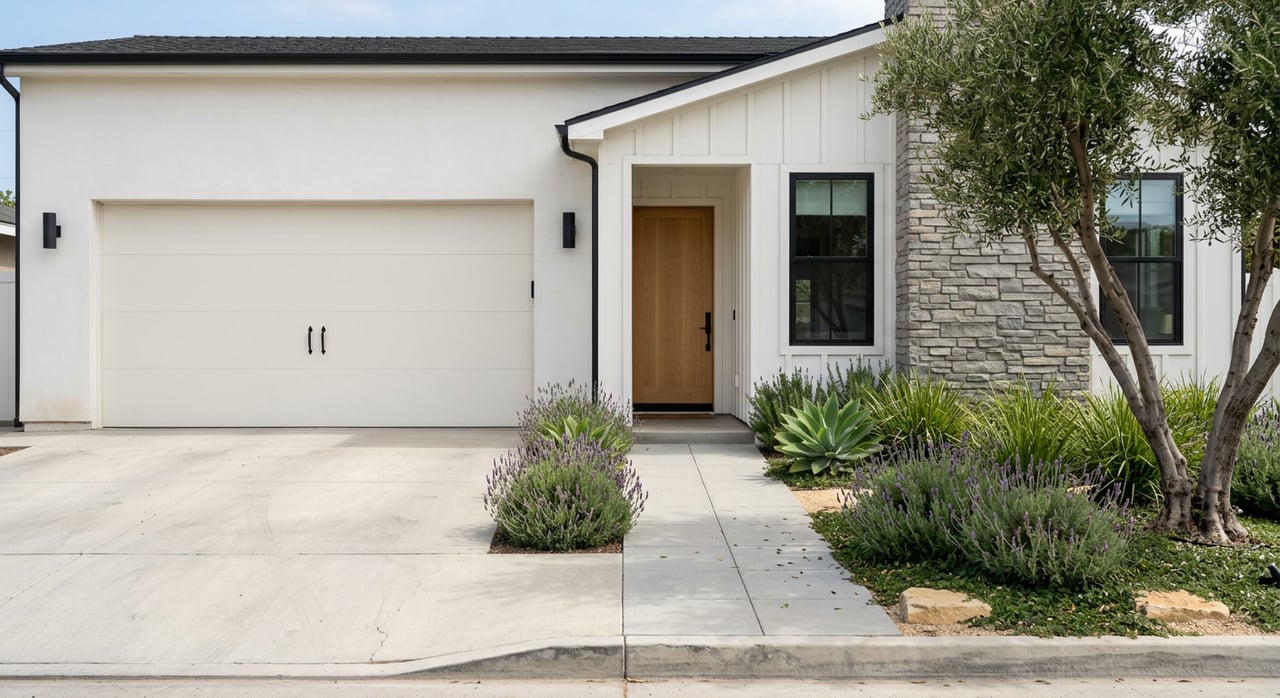
Most single-family homes trade near the city median. Typical closings in recent months ranged from the mid 900s to the low 1.2 millions, with mainstream inventory clustering from about 800,000 to 1,300,000 based on beds, lot size, and micro-neighborhood. Entry-size homes sometimes appear in the mid 600s to 800s, though these are competitive and timing sensitive.
Townhomes
Townhomes often price below many single-family homes and above some condos. Expect a working range from roughly 600,000 to 900,000, with newer or larger units at the higher end. For buyers targeting under 900,000, a townhome can be a practical path into San Dimas while staying close to foothill amenities.
Condos
Condominiums commonly list and sell below single-family prices, with recent examples clustering from about 600,000 to 750,000 for 2 to 3 bedroom units. Remember to factor HOA dues into your monthly budget. The lower entry price plus HOA costs can still pencil out well compared with larger homes in higher price bands.
Inventory and competition
Low inventory is the headline. Snapshot counts late last year showed only a few dozen active listings in the city, and some rolling measures placed months of supply near 1.8. In that setting, well-priced, move-in ready single-family homes in popular pockets tend to draw multiple offers. Condos and townhomes can show less heat than the top single-family listings, but interest still varies by price point, updates, and location.
Competition also differs by band. The most friction often appears from about 700,000 to 1,100,000, where many buyers overlap. Homes priced above that range can move quickly if they are updated and positioned well, but the offer pace depends more on uniqueness and presentation.
How to win a home
You do not have to throw out all your protections to be competitive. Aim to pair clean terms with smart risk controls.
- Get full pre-approval, not just pre-qualification. A lender underwrite that shows you can close quickly reduces seller risk and helps your offer stand out.
- If you are not paying cash, strengthen certainty. Lower loan-to-value, documented reserves, and a reliable lender can make your financing look almost as strong as cash in a side-by-side review. For a broader view of winning in bidding situations, see this national overview of how to win a bidding war.
- Use capped appraisal-gap language instead of full waivers. Shorten your inspection and loan timelines where appropriate, but avoid blanket waivers unless you fully understand the risk. A defined appraisal gap can tip the scales without exposing you to unlimited downside.
- Make the easy wins count. Larger earnest money, a flexible closing date, and covering modest seller costs can separate you from a similar offer without raising your price.
- Expand the search smartly. If single-family competition is intense at your target price, look at well-located townhomes and condos in San Dimas, or consider neighboring foothill cities like La Verne, Glendora, and Claremont where price and supply patterns differ.
Neighborhood factors to weigh
Transit access and the A Line
The Foothill Gold Line, now the A Line extension, brought new stations to the corridor, including San Dimas. Passenger service launched on the Glendora to Pomona segment in 2025, improving regional access. Proximity to the San Dimas station can support buyer demand over time for those who value transit. You can read about the opening timetable in this coverage of the A Line extension to Pomona.
Micro-neighborhood pricing
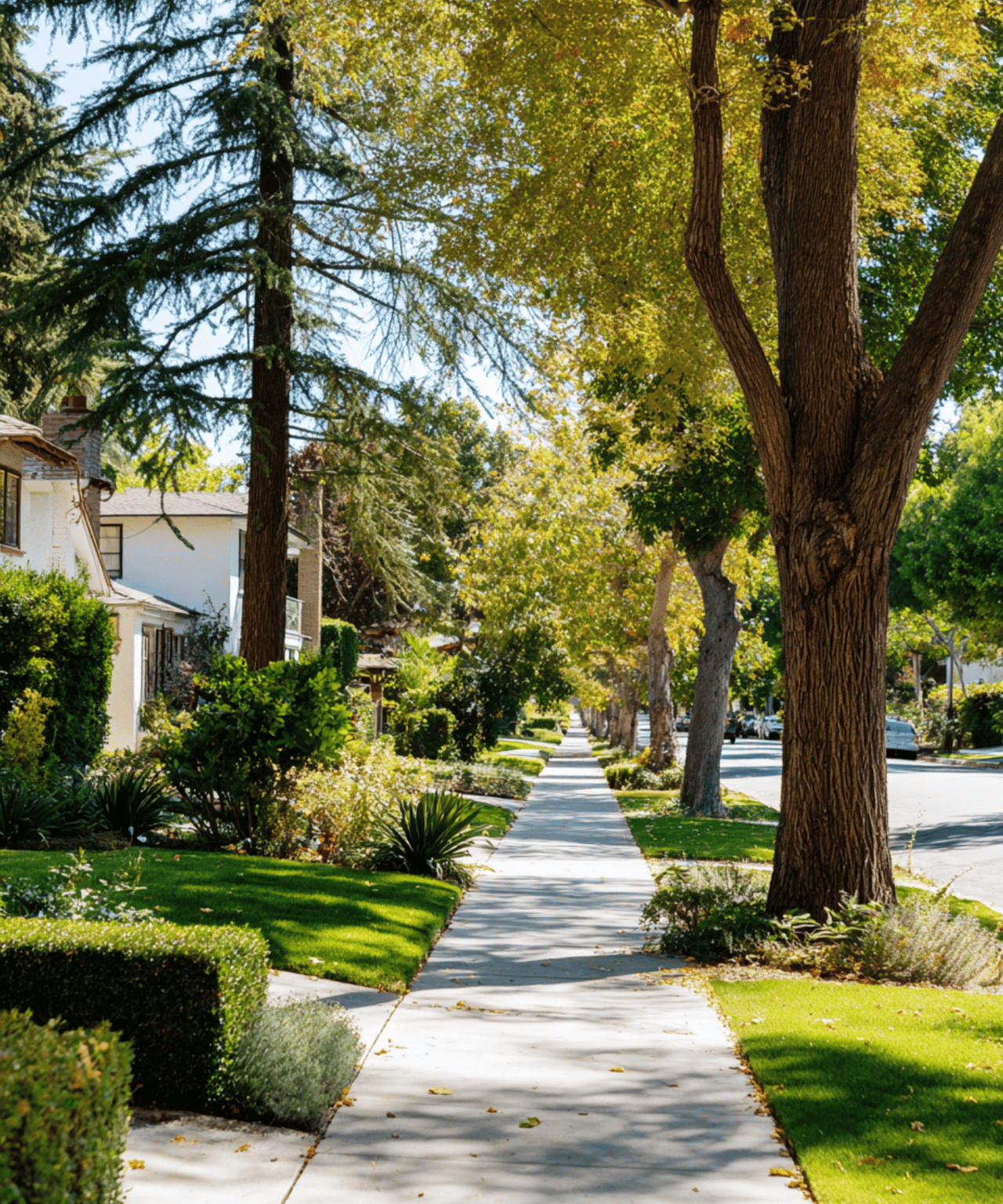
Price spreads are neighborhood sensitive. Foothill areas like Via Verde, South Hills, and Lone Hill often command premiums for views, lot size, and a quieter feel. Downtown and near-station townhome clusters can undercut foothill single-family pricing at similar bedroom counts. Always run micro-neighborhood comps before finalizing price.
Schools and daily life
Many buyers consider proximity to schools, parks, and local amenities when selecting a home. Keep your search criteria broad at the start, then refine to the zones and commute patterns that fit your routine. Your agent can help you overlay school assignment maps and timing considerations during tours.
Climate and insurance
San Dimas sits in the SoCal foothills, where heat trends and wildfire awareness are part of smart due diligence. Ask your insurer for quotes early in the process, and build coverage assumptions into your budget. Your inspection period is the right time to evaluate defensible space, roof condition, and any local hazard disclosures.
Timing and expectations
Because San Dimas sees relatively few monthly closings, citywide medians can jump around. Focus on a 3 to 12 month view to understand trend, then anchor your offer to the nearest comps. Expect competitive scenarios on well-positioned homes, longer market times on properties that need work or have pricing out of sync with recent sales, and variability by price band.
If you are targeting the popular mid-price ranges, get your lender file polished and your decision-making process clear before touring. Being ready on day one matters more than trying to time a perfect listing wave.
Budget planning tips
- Price vs. payment. Build your budget with HOA dues, property taxes, insurance, and utilities. Condos and townhomes often have lower prices but carry HOA fees that can offset some savings.
- PMI strategy. If you want to avoid private mortgage insurance, a 20 percent down conventional loan is the standard route. There are alternatives, but each has tradeoffs. The FDIC’s consumer resources on mortgages and PMI can help you ask the right questions.
- Estimate closing costs. Plan for lender fees, title and escrow, prepaid taxes and insurance, and inspections. A cushion for minor repairs right after closing is wise in older housing stock.
Smart next steps
- Align on must-haves vs. nice-to-haves across home type, location, and commute.
- Complete full lender pre-approval and gather proof of funds if applicable.
- Set alerts for your target micro-neighborhoods and tour quickly.
- Prepare a clear offer strategy that balances price with terms, including any capped appraisal-gap language you are willing to use.
- Map your inspection and insurance plan so you can move fast once you are in escrow.
If you want data-driven guidance and calm, local representation, our team combines commercial-grade analysis with a neighborhood-first approach. For a tailored plan and a clear read on San Dimas comps, schedule a free consultation with James Martindale.
FAQs
Is San Dimas a sellers’ market for buyers right now?
- Generally yes in the most sought-after single-family price bands, with tight inventory and some over-list sales, though condos and townhomes can be less competitive.
How much over list should I offer on a San Dimas home?
- It depends on the comps and the home’s condition; some hot listings close above list, but a comps-based price with smart terms is better than a blanket escalation.
What price ranges should I expect by home type in San Dimas?
- Recent ranges: condos about 600,000–750,000, townhomes about 600,000–900,000, and most single-family homes about 800,000–1,300,000 depending on size and location.
Will the A Line extension affect San Dimas home values?
- Improved access near the new station can support demand over time for buyers who value transit; see coverage of the A Line extension for context.
Should I waive inspection or appraisal contingencies to win in San Dimas?
- Waiving protections raises risk; consider shortening timelines or using a capped appraisal-gap clause instead, and consult your agent and lender before adjusting terms.