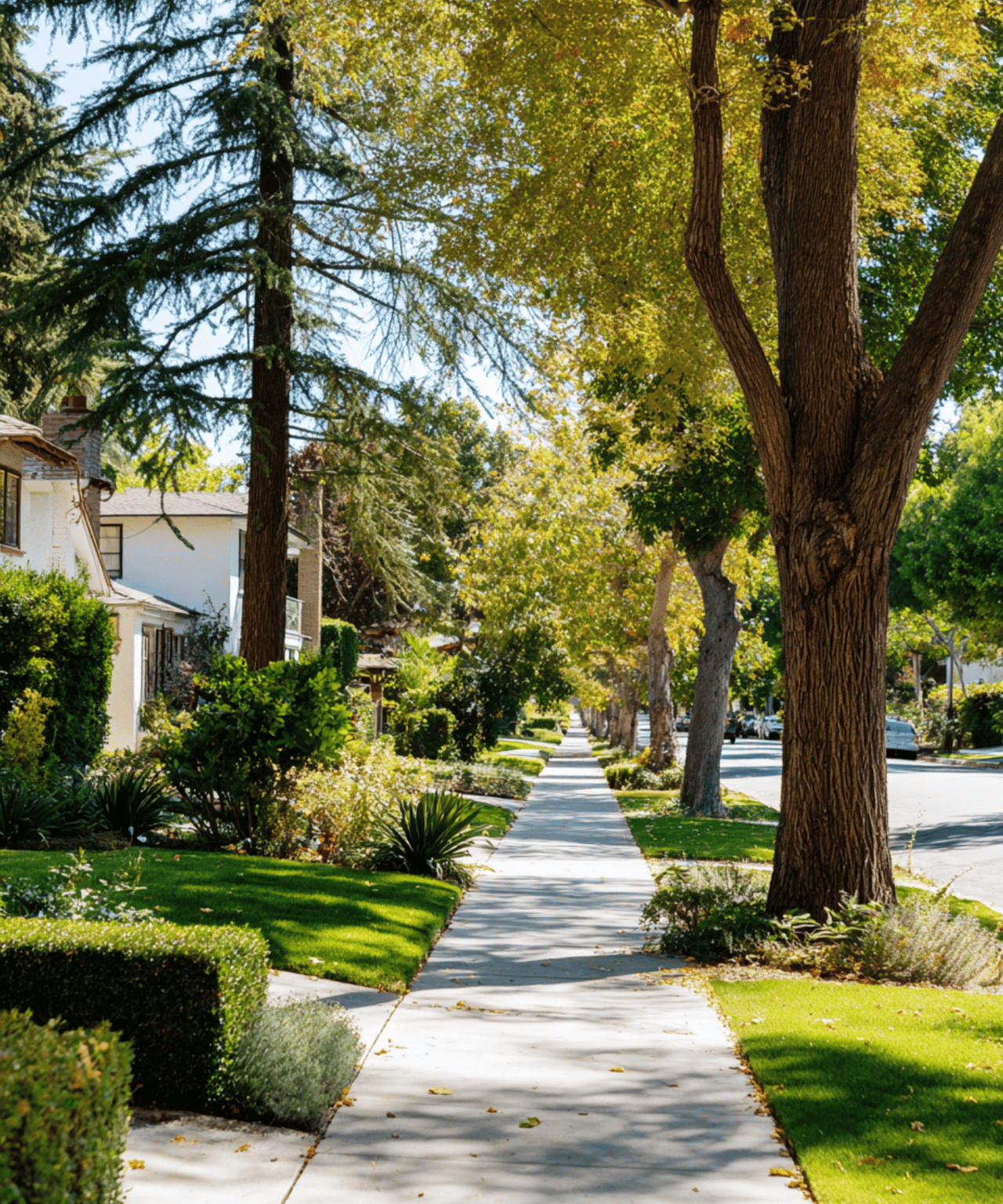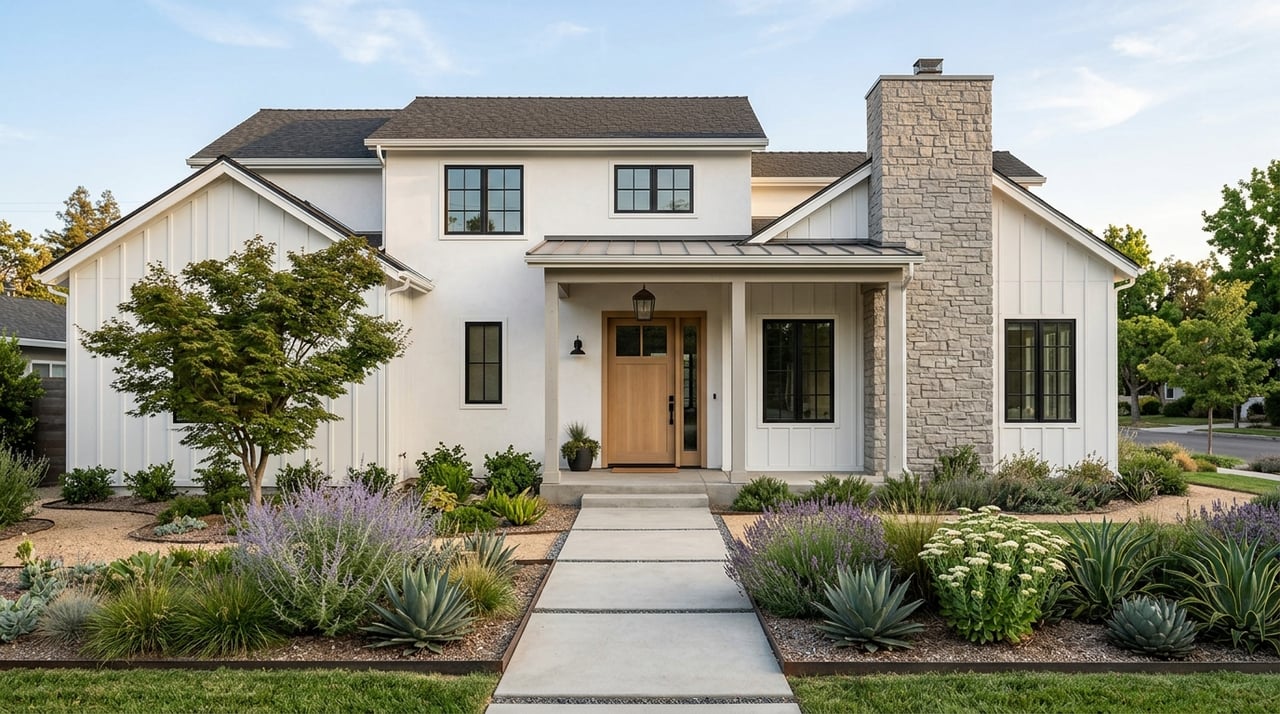
If you are thinking about moving to San Dimas, lifestyle often matters just as much as the home itself. You want to know what daily life feels like, where people spend time outdoors, and which parts of the city line up with your routine and priorities. This guide walks you through San Dimas parks, trails, community events, and neighborhood feel so you can get a clearer picture of what living here may actually look like. Let’s dive in.
Why San Dimas Feels Distinct
San Dimas has a personality that feels more grounded and recreation-oriented than many surrounding suburbs. The city describes itself as a welcoming community with a focus on preserving its local character and Western Spirit, while also valuing history, terrain, and open space, according to the San Dimas Resident Guide.
That combination gives the city a balanced feel. You get neighborhood living with a strong connection to parks, foothill scenery, and civic spaces, rather than a place that feels purely built around commuting.
Parks Shape Daily Life
One of the clearest things about San Dimas is how much outdoor access is woven into everyday living. The city park system includes green space, walking paths, play equipment, fitness equipment, sport courts, and sport fields, according to the City of San Dimas parks and trails page.
That matters because it means recreation is not limited to one large destination. You have both neighborhood-scale parks for casual daily use and larger regional spaces for longer outings, exercise, and weekend activities.
Bonelli Park Brings Big Outdoor Access
Frank G. Bonelli Regional Park is the signature outdoor amenity in San Dimas. Los Angeles County describes it as a 1,800-acre regional park with a 250-acre lake and 14 miles of multi-use trails.
The park supports a wide range of activities, including boating, fishing, swimming, hiking, biking, and horseback riding. The county also notes that the park hosts recurring events such as fishing tournaments, concerts, triathlons, water sports, and cultural events, which adds to its role as both a recreation hub and community gathering place.
Bonelli Trail Supports Active Lifestyles
For many buyers, trail access is a major lifestyle factor. The Bonelli Trail circles Puddingstone Reservoir and is described by the county as a 9.5-mile moderate multi-use trail.
What stands out is the variety of use. The trail is open for hiking, mountain biking, horseback riding, dog walking, bird watching, and wildlife watching, so it tends to appeal to many different routines and interests rather than just one type of user.
The city also notes that the San Dimas Staging Area provides day-use parking for cars, trucks, and horse trailers while connecting directly to the Bonelli Trail. That direct connection reinforces how integrated the trail system is with daily local access.
San Dimas Canyon Offers A Different Setting
If Bonelli feels expansive and recreation-driven, San Dimas Canyon offers a more foothill-oriented experience. Los Angeles County says San Dimas Canyon Community Regional Park spans 138 acres and includes camping, picnic grounds, an animal sanctuary, a birds-of-prey rehabilitation area, a museum, and a hiking trail.
The nearby natural area adds another layer to that experience. The county says the San Dimas Canyon Natural Area and Nature Center was the first nature center in the Los Angeles County park system and offers animal exhibits, bird walks, and youth education programs.
For you as a buyer, this helps define one of San Dimas’ strongest lifestyle themes: easy access to both active recreation and more nature-centered outdoor experiences.
Community Events Add Local Energy
A city can have great amenities, but community feel often comes down to how people actually use public spaces. In San Dimas, official events show a pattern of civic, seasonal, and family-oriented gatherings that give the city a more connected and lived-in feel.
The city’s special events calendar includes recurring programs such as Music in the Park and Cars & Coffee. Music in the Park takes place at Civic Center Park during summer, while Cars & Coffee is held downtown, showing that both the civic core and the historic town center play a role in community life.
Recent city event pages also highlight National Night Out, which includes public safety displays, children’s activities, and opportunities to meet local first responders. The same city source highlights a Community Health & Resource Fair focused on wellness and community resources.
Seasonal traditions also help shape San Dimas’ identity. Official city pages highlight events such as Halloween Spooktacular and Holiday Extravaganza, and the Chamber of Commerce notes support for annual traditions including Western Days and the City Birthday Barbecue on the city business detail page.
Taken together, these events suggest a city culture centered on public gatherings, seasonal celebrations, and shared community spaces.
Neighborhood Feel In San Dimas
San Dimas is not a one-note city. Different parts of town support different lifestyles, even while the overall community keeps a consistent identity.
Downtown Has Historic Character
The historic town core is one of the clearest lifestyle anchors in San Dimas. A city downtown planning document says the Town Core is intended to retain the historic scale and feel of Bonita Avenue between Cataract Avenue and San Dimas Avenue, with pedestrian-oriented uses and architecture compatible with historic buildings, according to the Downtown Specific Plan community handout.
This area offers the strongest sense of historic identity and walkable civic presence. The Walker House, built in 1887 at 121 N. San Dimas Avenue and listed on the National Register of Historic Places, adds to that sense of place.
If you enjoy a more established town-center atmosphere with visible local history, downtown San Dimas may be the part of the city that stands out most.
Foothill Areas Feel More Nature-Oriented
On the canyon side of the city, the setting shifts. Because San Dimas Canyon Community Regional Park sits in the foothills and is paired with a natural area and nature center, this part of town tends to feel more connected to open space and outdoor activity.
That does not mean every home has the same surroundings, but it does suggest a broader lifestyle pattern. If you are looking for a setting that feels a bit less urbanized and more tied to trails, foothill scenery, and nature programs, this area may be worth a closer look.
Bonelli And Via Verde Lean Recreation-Forward
Another distinct lifestyle pocket is the Bonelli and Via Verde corridor. Based on the location of Bonelli Park, Bonelli Trail, Via Verde Park, and the San Dimas Staging Area, this part of the city is closely tied to lake access, trail access, and outdoor recreation infrastructure.
For buyers who want quick access to biking, walking, hiking, or other park-based activities, this area often stands out. It can be a practical fit if your ideal routine includes getting outdoors without a long drive.
What Buyers Often Notice First
When people explore San Dimas, a few things tend to leave a strong impression. First, the city feels intentionally maintained and rooted in its own identity, which aligns with the city’s emphasis on preserving distinctive local character in the resident guide.
Second, outdoor space is not just an extra here. It is part of how the city functions day to day, from neighborhood parks to major regional recreation assets.
Third, San Dimas often feels community-centered. The event calendar, historic downtown focus, and park system all point to a city where public spaces still play an important role in everyday life.
Is San Dimas A Fit For You?
San Dimas may be a strong fit if you want a foothill community with a small-town feel, established local identity, and meaningful access to parks and trails. It can also appeal if you value a mix of neighborhood living, recreation, and civic activity in one place.
As you compare areas within the city, it helps to think less in terms of a single “best” neighborhood and more in terms of lifestyle match. Some buyers are drawn to the historic character of downtown, while others prefer the canyon foothills or the recreation access around Bonelli and Via Verde.
If you want help sorting through San Dimas neighborhoods, park access, and the lifestyle differences that may affect your home search, James Martindale offers thoughtful, locally informed guidance with a boutique approach.
FAQs
What is the lifestyle like in San Dimas, CA?
- San Dimas has a small-town, recreation-oriented feel with a strong emphasis on local character, history, open space, and community events, according to the city’s resident guide.
What parks are most popular in San Dimas?
- Frank G. Bonelli Regional Park and San Dimas Canyon Community Regional Park are two major outdoor destinations, supported by additional city parks with walking paths, sports areas, and green space.
Are there trails in San Dimas for hiking and biking?
- Yes. The Bonelli Trail is a 9.5-mile multi-use trail around Puddingstone Reservoir that supports hiking, mountain biking, horseback riding, dog walking, and wildlife viewing.
What does downtown San Dimas feel like?
- Downtown San Dimas has a historic town-core feel with pedestrian-oriented planning, preserved historic character, and landmarks such as the Walker House.
Which parts of San Dimas feel most connected to nature?
- The foothill and canyon areas near San Dimas Canyon Community Regional Park and the natural area tend to feel more nature-oriented, while the Bonelli and Via Verde area is closely tied to lake and trail access.